
Taijiquan and conflict: why I learn a martial art as a peaceful person
I went to a Tai Chi class recently. We did a lot of applications, the martial side of the practice. I like exploring what each move actually does when practising with a partner. At some point, one of the students said that she doesn’t want to think about an enemy. She doesn’t want to think about attacking someone. She wants peace.
I totally understand that. I am a peaceful person. And still, I have been learning and practising a martial art for over twenty years.
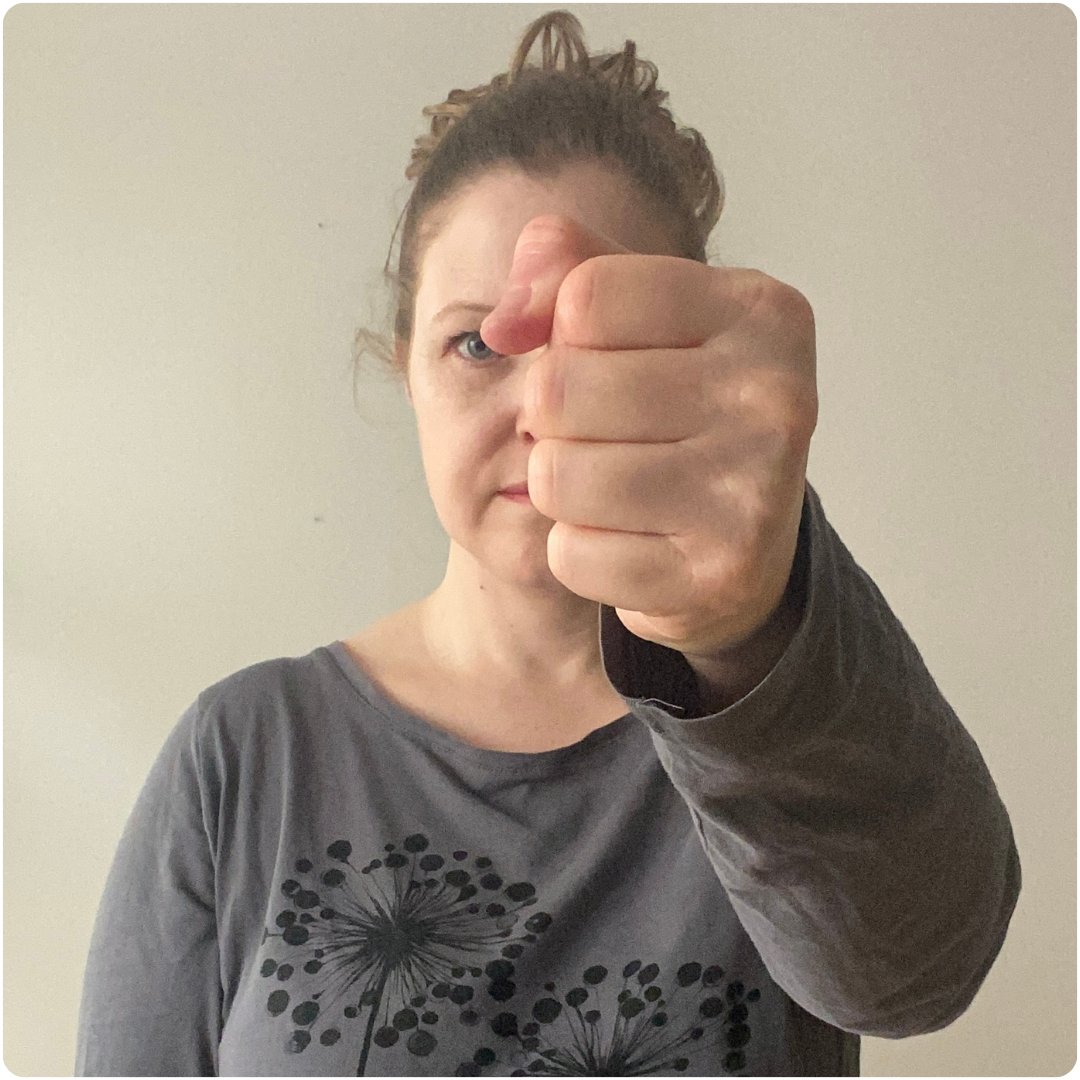
What the form teaches about Taijiquan and conflict
I find it interesting, how the Taijiquan form itself handles conflict. From what I have learned, the applications at the beginning of the form are relatively subtle. A push here, a redirect there. The goal is not to cause major injury but to give the opponent a chance to reconsider. To make them realise it is not worth going all in.
Towards the end of the form, the moves become more drastic: hitting the temples, breaking the back. The message is clear. If the early, subtle attempts to end the conflict did not work, the stakes get higher.
The lesson I take from this is: end the fight early. Address the conflict while it is still small, before it escalates beyond repair.
The pile of dishes
To be clear: I do not practise Taijiquan to become a good street fighter. I really would not recommend anyone to get into a street fight. But the lessons from the martial art, I do apply those to my everyday life. And one of the most useful ones is this: resolve the conflict early.
How often do we not resolve an issue early in our everyday lives? We let little annoying things slip, day after day, until they build up into something much bigger. Anyone who has ever had a flatmate or a long-term partner probably knows what I am talking about. You walk into the kitchen and there is a pile of dishes. The next day, the pile is bigger. And so is your resentment. Until one day you explode, and suddenly you are not talking about dishes anymore.
What if we applied the logic of Taijiquan to this? Address the small things early. Clear the air before the pile grows. Resolve the conflict while it is still just an easy push, not a strike to the temple.
For me, that is one of the most interesting things about Taijiquan: Qi Gong is about my relation to my own body. Taijiquan is about my relation to someone else. It is about conflict and communication. And I think that is something we could all use a little more of: knowing how to peacefully relate to others and resolve conflicts early.
How do you feel about the martial art aspect of Taijiquan? I would love to hear from you.
Happy Qi! Angelika