
The overstimulation paradox: practicing Taijiquan in an overstimulated world
A few months ago, I noticed something unsettling. My Taijiquan practice felt boring. Not occasionally, not only on a tired Monday morning. Just generally, flatly boring. And that worried me, because Taijiquan is something I really love. Or at least, I used to.
I noticed this subtle pull away from my practice. Towards my never-ending to-do list, towards my phone. I felt like I needed to do more urgent things than just standing in a room, moving slowly.
I tried to continue practicing, because I know how good Taijiquan is for my body and my mind. I want to stay fit and flexible. I want to keep doing the forms for decades to come. So it was alarming that even though I knew all of that, I still felt that pull away from practice. Not because I had fallen out of love with the form. Just because it felt a bit bland.
Luckily, I was reading an interesting book at the same time: Dopamine Detox by Thibaut Meurisse*. Feeling that strange restlessness in my practice and reading the book at the same time, something clicked.
The dopamine trap: overstimulation
Dopamine Detox* is built around one simple idea: dopamine is the brain’s “molecule of more.” Every time you check your phone, scroll through social media, open your emails, or even tick something off your to-do list, your brain gets a little hit of dopamine. And then it wants another one. And another.
And here is the trap: when exhausted and needing rest, the overstimulated brain does not reach for quiet. It reaches for the next hit. Another scroll. Another video. Another notification. Rest never comes, because the brain wants the next hit.
That really resonated with me. There was so much going on in the world at large, but also in my small world. And I recognized the vicious circle I had fallen into: when I felt overwhelmed, I went to YouTube or social media. Which made me even more overstimulated and exhausted. I had essentially trained my brain to reach for more stimulation instead of actually resting.
As Meurisse writes in Dopamine Detox*:
“When you’re engaging in highly stimulating activities, your brain will keep demanding more and more stimulation. As your level of stimulation rises, regular tasks will appear increasingly dull and unappealing.”
The cure for overstimulation is not another scroll, another video, another notification. It is the opposite. To go offline. To sit. To stand. To nourish your body and soul with something quiet.
The ironic part is, I already had exactly that: Taijiquan!
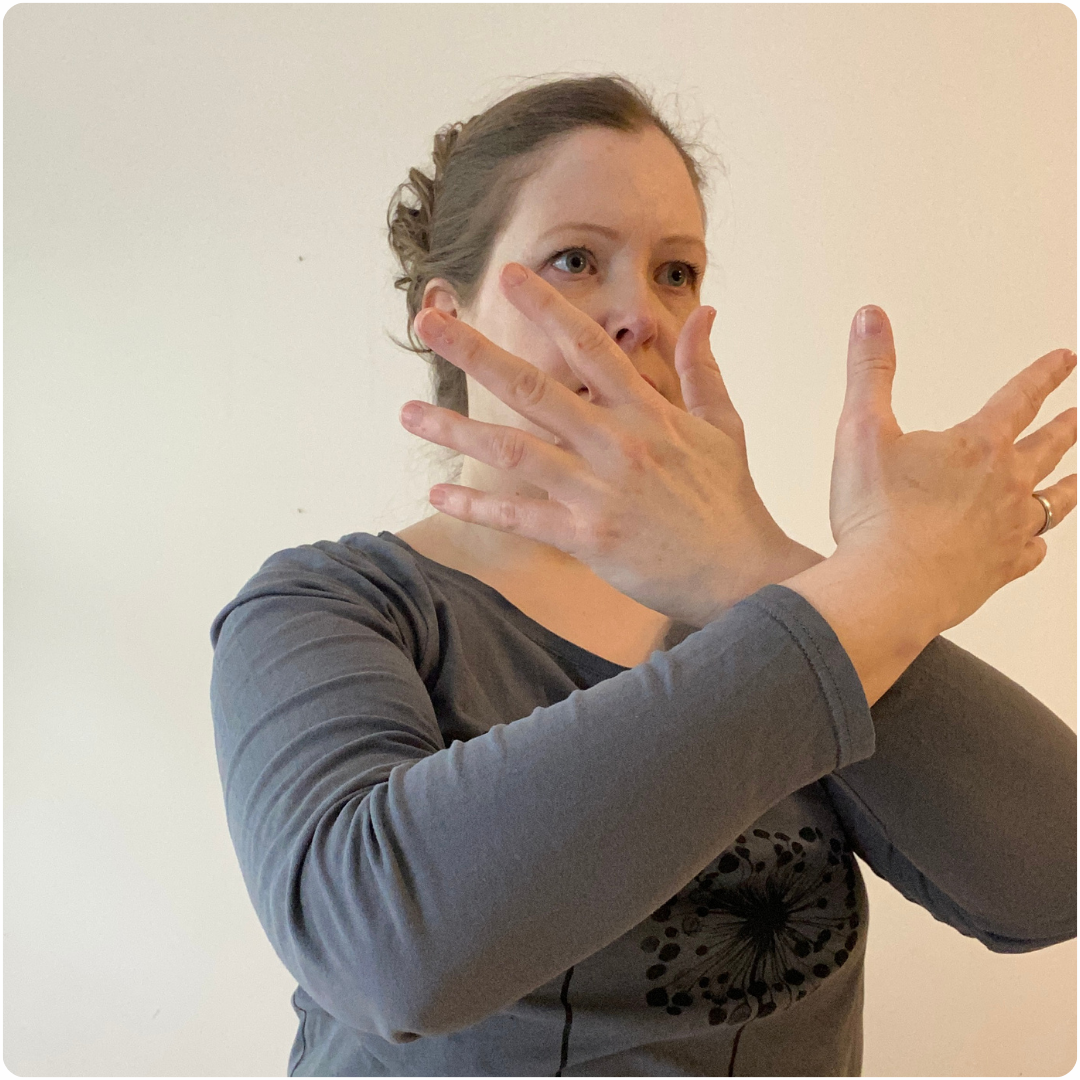
Taijiquan is less. It is about becoming calm, about reconnecting with the body. I already had a way to go quiet, to understimulate, to rest. I just could not enjoy it anymore, because my brain was too busy chasing the next hit.
Just me in a room
I knew I had to reduce the distractions and the overstimulation. But I also knew I did not have the sheer discipline or willpower to just stop. Telling myself to “use social media less” had never worked. I needed a different approach.
The book has some very practical advice. Basically, it recommends to make access to your dopamine triggers as difficult as possible. Delete the apps. Leave your phone in another room. Make it inconvenient to fall back into the old pattern.
So I deleted Instagram from my phone. I blocked Facebook on my computer. I stopped reading every news article.
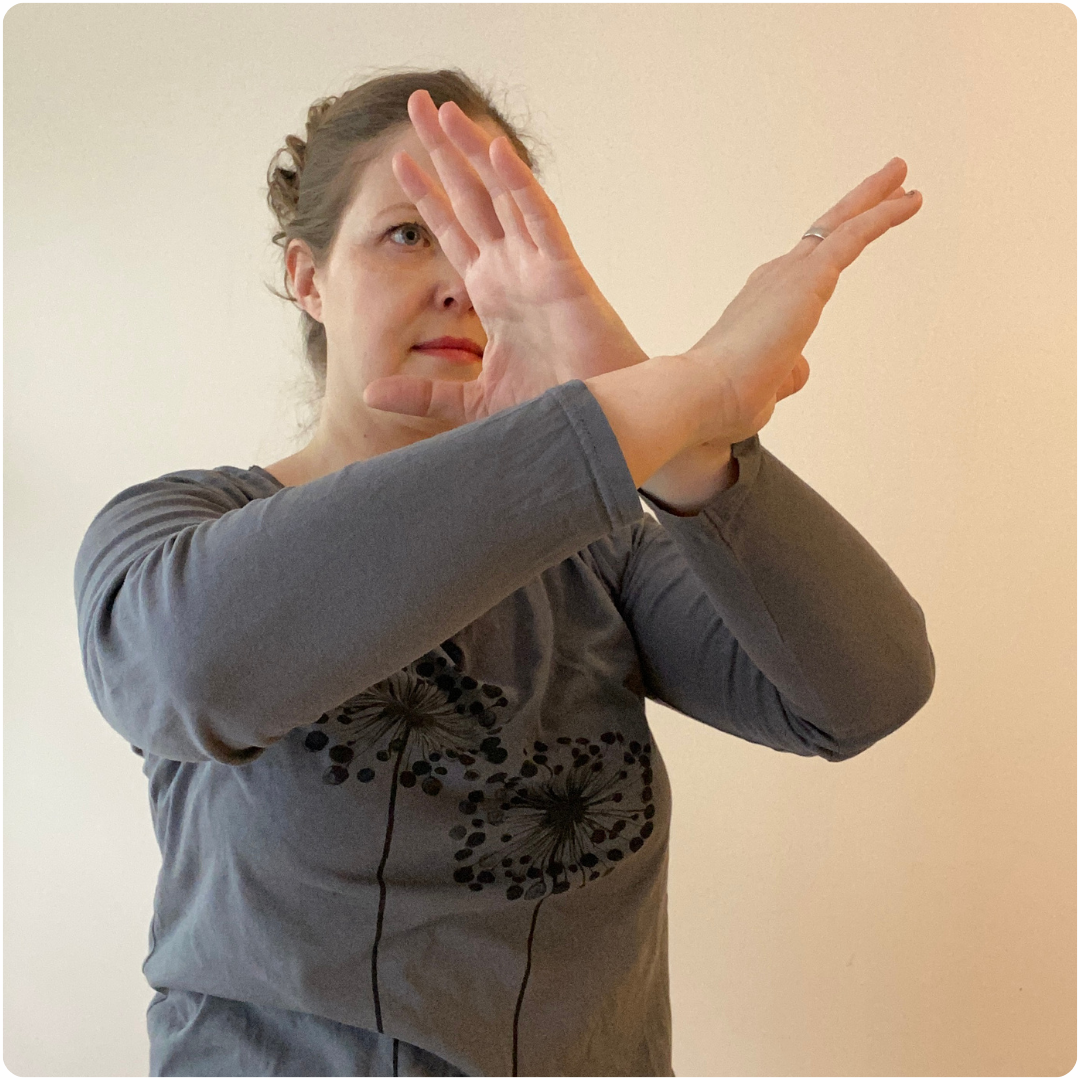
Instead, I reconnected with things I had been doing for years but had somehow drifted away from: planning and journaling on paper. Writing by hand is wonderfully understimulating. I also started reading more. And I got into learning Chinese! Instead of consuming content, I tried learning and writing.
Since I made those changes, slowly, my Taijiquan practice is also shifting. I still find it easier to concentrate in a class or a workshop. But I am starting to enjoy practicing at home again. The restlessness still sneaks in sometimes, though. That feeling that there is so much on my to-do list and that I should be doing something more productive. But I am beginning to recognise that feeling for what it is: my overstimulated brain looking for its next hit.
I do not think I am alone in this. Maybe you feel it too: the overstimulation, the exhaustion, the need for real rest. And somehow, instead of resting, we stare at our phones. We stimulate ourselves even further, because we have forgotten what true rest actually feels like.
Taijiquan is not doing nothing — social media is
In today’s world, rest is seen as lazy. We live in a hustle culture that measures worth by productivity. And Taijiquan, with its slow movements and few immediate results, can look a lot like doing nothing. Instead of tackling the never-ending stream of emails, you just move slowly, alone in a room. The audacity.
However, let’s talk about a Taoist philosophy that reframes all of this: Wúwéi (無為).
Wúwéi (無為) is often mistranslated as “doing nothing.” What it actually means is acting in accordance with nature, moving with the flow rather than against it. Nature does not hustle. Winter is for rest. Night is for sleep. Let’s look at the Yin Yang symbol. It’s called Tàijí (太極) in Chinese. That’s where Tàijíquán (太極拳) gets its name. Yin Yang represents balance. Dark and light, effort and rest, doing and not doing. Tàijíquán carries that philosophy in its very name.
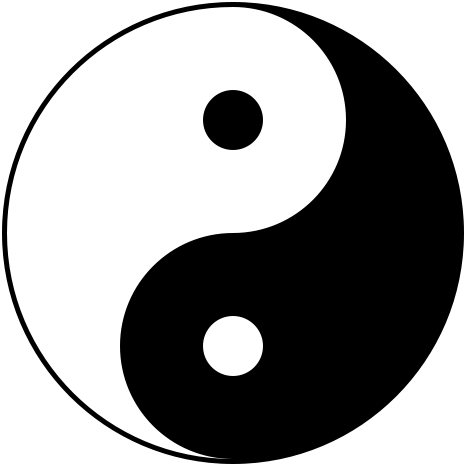
It is strange, really. We know we are exhausted. We know we need rest. And yet we fill every quiet moment with noise, because silence feels uncomfortable and stillness feels unproductive. We scroll through social media and news to “take a break”. But that’s not true rest. It is not even neutral. It is draining.
Doom scrolling feels like doing something but depletes us. Taijiquan looks like doing nothing but restores us. We need to reframe what true rest is. What nourishes and fulfills us.
As Thibaut Meurisse writes in Dopamine Detox*:
“Excitement isn’t fulfillment. Excitement can be fun, but make sure you work on developing an inner sense of peace and a heightened state of focus.”
So maybe Taijiquan is not the excitement of watching a comedic YouTube short. Taijiquan is not a snack. It is fun, but in a quiet, long-term, deeply nourishing way.
So if you are feeling restless, overwhelmed, or just a little flat, my invitation is simple:
Get off your phone and rest. Close your eyes and meditate for a minute.
Practice your form. Or if you want to do some moves and don’t know where to start, I have a list of 5-minute-Qi Gong videos that might help.
Take the rest you need! Allow yourself to be understimulated and “do nothing”.
Happy Qi!
Angelika